

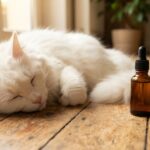



Cats hide pain well. That’s a survival instinct passed down from wild ancestors who couldn’t afford to look vulnerable, and it means a cat with arthritis often just quietly does less rather than limping obviously. Jumping onto the counter becomes rare. The cat sleeps in a low, easy-to-reach spot instead of the windowsill it used to favor. Grooming gets patchier around the hips and lower back, areas that are harder to reach when bending hurts. This slow, quiet decline is part of why joint-related discomfort in cats often goes untreated longer than it would in a dog, whose limping tends to be more obvious. It’s also part of why Holistapet CBD cat treats marketed for joint support and mobility have become one of the fastest-growing segments in the pet wellness category. Osteoarthritis is common in older cats, more common than most owners realize, since cats rarely show the textbook signs people associate with joint pain in dogs or humans. Traditional arthritis medications used in dogs, particularly nonsteroidal anti-inflammatory drugs, carry a narrower margin of safety in cats and aren’t always labeled for long-term feline use. That gap has pushed some owners toward alternative options, cannabinoids among them. Dogster’s review of pet CBD market data notes that while dogs still account for roughly half of total pet CBD product sales, the cat segment of the market appears positioned for faster growth going forward, with joint health and arthritis pain relief cited as leading reasons cat owners specifically seek out these products. CBD interacts with receptors involved in pain signaling and inflammation, which is the mechanism behind most of the interest in joint applications. The American Veterinary Medical Association has acknowledged that CBD products “appear to hold therapeutic promise” for pain management, including in osteoarthritis, while also stating plainly that the scientific findings supporting this remain limited in scope. That’s a real distinction worth sitting with. Promise isn’t proof. Controlled studies on CBD’s effect on feline arthritis specifically are still sparse compared to the volume of anecdotal reports from owners and product marketing claims. A few things to keep in mind about scope: A CBD treat alone rarely addresses everything going on with an arthritic cat. Veterinarians commonly recommend combining any supplement approach with environmental and physical adjustments: None of these replace a veterinary exam. Bloodwork and imaging can rule out other causes of reduced activity, like kidney disease or hyperthyroidism, which can look similar to arthritis in an older cat from the outside. The broader CBD pet products category has scaled quickly. Straits Research estimated the CBD pet market at roughly $435 million in 2025, projecting growth to $576 million in 2026 and continued expansion toward the multibillion-dollar range by the early 2030s, with a compound annual growth rate cited around 32%. Other analysts put current-year figures somewhat lower, closer to the $300 million range, reflecting differences in how each firm defines the category, but the general direction across nearly every published forecast points the same way: fast, sustained growth driven substantially by natural-alternative and wellness positioning rather than pharmaceutical replacement claims. Therapeutic-grade products, the category that includes joint-support supplements rather than plain treats, is generally cited as the fastest-growing segment within pet CBD overall, according to Straits Research’s forecast, which projects that segment’s growth rate to outpace the food-grade treat category through the early 2030s. Before starting an older cat on any joint-support product containing CBD, a few conversations with a veterinarian tend to be worthwhile: Is the cat currently on any medication that’s metabolized through the liver? CBD is processed through liver enzymes that also handle a range of common drugs, and interactions are possible, particularly with certain pain medications or anti-seizure drugs. Has kidney or liver function been checked recently? Older cats are more prone to reduced organ function, which can affect how any supplement, cannabinoid or otherwise, gets cleared from the body. Is arthritis actually confirmed, or assumed based on age and reduced activity alone? A physical exam and sometimes imaging give a clearer picture than guesswork based on behavior changes at home. Because cats mask discomfort so effectively, catching arthritis early usually means watching for subtle behavior shifts rather than waiting for obvious limping. Common early indicators include: None of these signs are exclusive to arthritis. Dental pain, kidney disease, and hyperthyroidism can produce overlapping behavior changes, which is part of why a veterinary visit matters more than a home diagnosis based on symptoms alone. CBD is a relatively new entrant in a supplement category that includes options with a much longer research history. Glucosamine and chondroitin, commonly paired supplements aimed at supporting cartilage health, have decades of use in both human and veterinary medicine, though evidence for their effectiveness in cats specifically is mixed. Omega-3 fatty acids, sourced from fish oil, have more consistent research support for reducing inflammation broadly, including joint-related inflammation, than CBD currently does in feline studies. This isn’t a reason to dismiss CBD as an option. It’s a reason to view it as one tool among several rather than a replacement for supplements with a longer evidence base, and to discuss combining approaches with a veterinarian rather than assuming any single product covers the full picture. Extra body weight is one of the most controllable factors in feline joint discomfort, and it’s often overlooked in favor of supplement shopping. Every additional pound on a cat’s frame adds direct mechanical stress to already compromised joints, particularly hips and knees. A body condition score assessment, something most veterinarians can do quickly during a routine visit, gives a clearer picture than eyeballing weight at home, since fur and body shape can mask early weight gain in cats more easily than in dogs. Feeding a treat with meaningful calorie content daily, on top of regular meals, can work against weight management goals over time if it isn’t accounted for in overall daily intake. Checking the calorie count on a CBD treat label, not just the CBD milligram count, matters for cats already managing weight-related joint strain. Some manufacturers offer lower-calorie formulations specifically for this reason, often marketed as suitable for daily long-term use rather than occasional treating. CBD cat treats may offer some comfort as one piece of a broader mobility strategy for an aging cat, but the research supporting joint-specific benefits is still developing. A veterinary exam to confirm what’s actually causing the slowdown matters more than any single product on the shelf. Supporting a pet’s health often involves several small decisions made over time. Food quality, exercise, veterinary care, sleep, dental hygiene, and appropriate supplementation can all become part of a routine. Cannabidiol has entered that conversation as more pet owners encounter hemp-based products. Holistapet CBD Capsules for Dogs and Cats provide a measured format, but their use requires careful consideration because research, product quality, and individual animal responses can vary. CBD is short for cannabidiol, one of the compounds found in cannabis and hemp. It is chemically different from THC, the cannabinoid associated with intoxicating effects. Pet CBD products may be sold as capsules, oils, treats, chews, or other formulations. A capsule can be convenient because each unit contains a defined amount of the product. That convenience does not remove the need to evaluate concentration, ingredients, species suitability, health status, and potential medication interactions. CBD interacts with biological systems in animals, including pathways associated with the endocannabinoid system. This system is involved in several physiological processes, although the exact clinical significance of CBD supplementation remains an active area of research. The existence of an endocannabinoid system does not prove that taking CBD will improve a particular health condition. Research is needed to determine when, how, and at what amounts a cannabinoid may have a useful clinical effect. Veterinary studies have increased in recent years, especially in dogs. Cats have received less research attention, which creates a larger evidence gap for feline use. Dogs and cats are both companion animals, but their bodies process substances differently. A compound studied in dogs cannot automatically be assumed to have the same safety profile or effect in cats. Cats have distinctive metabolic characteristics that influence how certain substances are processed. Their individual health status also matters. For this reason, products should be evaluated according to the species listed on the label and the specific circumstances of the animal receiving them. CBD research in veterinary medicine has examined pharmacokinetics, safety, and possible effects on certain conditions. Studies in dogs have explored osteoarthritis-related discomfort and seizure disorders, among other subjects. Research involving cats is more limited. Some studies have examined how cats absorb CBD and how long the compound remains detectable in the body. These studies provide useful pharmacological information but do not establish CBD as a treatment for feline diseases. The distinction between research interest and established treatment is important. Not every study provides the same level of information. A clinical decision should place greater weight on appropriate veterinary research than on testimonials or general marketing language. Capsules are available in different concentrations. The number of capsules in a bottle does not indicate how much CBD each capsule contains. For example, two products may each contain 30 capsules, while one contains 300 milligrams of CBD and another contains 900 milligrams. The individual capsule concentrations would be very different. This is why the label should be examined carefully before comparing products. These figures are examples for understanding concentration and are not dosing recommendations. A veterinarian should determine whether CBD is appropriate for a particular animal and provide individualized guidance when necessary. CBD is not the only component that matters. Capsules can contain other ingredients used for manufacturing, preservation, flavor, texture, or delivery. The complete ingredient list should be reviewed before giving a supplement to a pet. This is particularly relevant for cats because certain plant-derived compounds can be harmful to them. Essential oils are one example. Several essential oils can cause toxicity in cats, and exposure can occur through ingestion or other routes. A simple ingredient list can make it easier to determine what the animal is consuming. This does not mean that every short ingredient list is automatically safe or effective. Look for clear information about: Products with unclear labels create more uncertainty. The pet supplement market includes products manufactured under different standards. Independent laboratory testing can provide additional information about a CBD product’s cannabinoid content and possible contaminants. A certificate of analysis can show measured concentrations of cannabinoids and, depending on the testing panel, screening results for substances such as heavy metals, pesticides, microbes, or residual solvents. A batch-specific report is more useful than a general statement that products are tested. A certificate of analysis should not be confused with clinical approval. If a laboratory confirms that a capsule contains a stated amount of CBD, that result tells you about the product’s composition. It does not prove that the capsule treats arthritis, anxiety, seizures, inflammation, or another condition. The quality of the product and the effectiveness of the product are separate questions. A pet that has a chronic illness may require a different approach to supplementation than a healthy animal. For example, a dog with liver disease may need careful evaluation before receiving a new substance. A cat taking medication for a chronic condition may also require a review of possible interactions. CBD can influence certain enzymes involved in drug metabolism. This means it may affect how some medications are processed. Veterinary guidance can help determine whether the supplement fits within the animal’s broader care plan. Cats and dogs cannot explain how they feel, so owners often rely on behavior and physical observations. A dog may become less active or appear unusually sleepy. A cat may hide more frequently or change its eating habits. These changes can have many causes, so they should be considered in context. Potential adverse signs associated with cannabinoid exposure may include: Severe or persistent symptoms require veterinary attention. A written record can be surprisingly useful. Include the date, time, product, amount, food given with the supplement, and any noticeable changes. If several people care for the pet, the record also reduces the chance of accidentally giving a duplicate serving. THC is a separate safety concern. Pets exposed to THC can develop signs of intoxication, including impaired coordination, excessive sleepiness, urinary accidents, dilated pupils, vomiting, tremors, and behavioral changes. CBD products should therefore be evaluated for THC content rather than assuming that a hemp-derived product contains none. Cannabis products intended for human use should always be kept away from animals. Accidental ingestion can expose a pet to an unknown amount of THC or other ingredients. If accidental ingestion occurs, the packaging should be kept available for veterinary assessment. The practical side of giving a capsule can be just as important as the product itself. Some dogs accept capsules hidden inside a small amount of food. Others chew around them or spit them out. Cats may refuse food once they detect an unfamiliar smell. The product instructions should be followed. Capsules should not be opened, crushed, or altered unless the formulation allows it or a veterinarian recommends the method. A consistent routine can help prevent mistakes. Store the product in one secure location and record administration if several caregivers are involved. Do not place pet supplements beside medications that belong to another household member. Clear separation reduces the chance of accidental consumption. The pet CBD market has expanded as interest in cannabinoid-based supplements has increased. Commercial reports have projected growth in the category, although the exact figures vary between research companies. Differences in market definitions can produce very different estimates. Some reports focus on CBD products specifically, while others include a broader range of cannabinoid supplements. Market growth provides information about consumer interest. It does not establish therapeutic effectiveness. Scientific studies remain necessary to determine whether a particular CBD formulation provides measurable benefits for dogs or cats. A practical decision can begin with five questions: If these questions cannot be answered clearly, additional information should be gathered before introducing the product. The goal is to evaluate CBD as one possible supplement category rather than treating it as a universal answer to unrelated health concerns. CBD capsules offer a convenient, measured format, but evidence for specific health benefits remains limited and differs between dogs and cats. Responsible use depends on clear product information, attention to individual health factors, awareness of THC exposure, and appropriate veterinary guidance. Cats are creatures of habit. A change in appetite, sleep, movement, grooming, or behavior can sometimes signal that something deserves closer attention. As interest in hemp-derived supplements grows, many cat owners encounter products marketed for relaxation, mobility, and general wellness. Before considering Holistapet CBD Oil for Cats, it helps to understand the available evidence, recognize the limitations of current feline research, and know what questions to ask about product quality. Cannabidiol, or CBD, is a non-intoxicating cannabinoid found in cannabis and hemp plants. It differs from THC, which is the cannabinoid responsible for the characteristic intoxicating effects associated with cannabis. Pet products containing CBD may be formulated as oils, treats, capsules, or other preparations. The concentration can vary substantially, even among products that appear similar in size. One bottle may contain several hundred milligrams of cannabinoids, while another may contain considerably less. Interest in these products has partly followed the broader expansion of cannabinoid research. Studies involving people have examined CBD in several areas, while veterinary researchers have begun investigating its pharmacokinetics and possible effects in companion animals. Cats, though, require their own evidence base. A cat’s metabolism is different from that of a dog or human. Cats have limitations in certain liver pathways used to process chemicals and medications, which is one reason some substances that are tolerated by other species can create problems for felines. This does not mean that every CBD product produces the same response in every cat. It means that safety and dosing should not be inferred from human labels or dog studies. Age, body condition, liver function, kidney function, existing illnesses, and medication use can also influence how a cat responds to a new substance. Research specifically involving cats is still relatively limited. Studies have examined how CBD is absorbed, distributed, and eliminated after oral administration. These pharmacokinetic studies provide useful information about exposure in the body. A study published in Frontiers in Veterinary Science investigated repeated oral administration of CBD in healthy cats. Researchers measured CBD concentrations and monitored safety observations. Some cats experienced gastrointestinal effects, including vomiting and diarrhea. The findings do not establish CBD as a treatment for a specific disease. They do show why careful monitoring is relevant when evaluating cannabinoid products for cats. These two questions are often mixed together in online discussions. A safety study asks whether an animal tolerated a substance under specific research conditions. An effectiveness study asks whether the substance produced a meaningful improvement in a defined medical condition. A product can appear reasonably tolerated during a study without being proven effective for pain, anxiety, inflammation, seizures, or another condition. That distinction becomes especially important when reading commercial claims. Dog research has received more attention than cat research in some areas of veterinary CBD science. Studies have examined subjects such as osteoarthritis and seizure-related conditions in dogs. Those results can help researchers develop questions for feline studies, but they do not provide direct proof of effectiveness in cats. Differences in metabolism and physiology make species-specific research necessary. A statement such as “CBD has been studied in pets” can therefore be technically true while still providing little information about whether a particular use is supported in cats. A bottle’s front label often provides only the most basic information. The ingredient panel and laboratory documentation are more useful when assessing quality. The CBD concentration should be clearly stated. If the product contains other cannabinoids, those should ideally be identified as well. A product that does not disclose its complete ingredients creates an unnecessary information gap. Before purchasing or using a cannabinoid product, review: A certificate of analysis can provide additional details about a tested batch. Depending on the laboratory and testing method, a report may show cannabinoid levels and screening results for contaminants. Laboratory testing has limits. It does not prove that CBD will benefit a cat or establish a medically appropriate amount. It primarily provides evidence about the composition and purity of the tested sample. Cats can be selective about taste and smell. An oil with multiple flavoring agents or strong botanical ingredients may be difficult to administer and could introduce unnecessary exposure. Simple formulations can make ingredient review easier. A product containing CBD and a clearly identified carrier oil may be easier to evaluate than one containing a long list of additional extracts. Essential oils deserve particular caution. Several essential oils can be toxic to cats, and feline metabolism makes certain compounds especially problematic. The word “natural” should therefore not be used as a shortcut for “safe.” A veterinarian can help determine whether a cat’s symptoms need investigation before any supplement is considered. This is particularly relevant when the cat has a chronic condition or receives prescription medication. CBD can influence enzymes involved in drug metabolism. As a result, combining it with certain medications could change drug concentrations or effects. The risk depends on the specific medicine, the CBD preparation, the amount used, and the individual cat. A medication list gives the veterinarian the information needed to assess possible interactions. If a veterinarian agrees that a CBD product can be considered, maintaining a simple record can make observation more objective. Record the: Cats can have subtle changes that are easy to overlook. Written observations can help identify patterns and provide useful information during a veterinary consultation. Any new substance can produce unwanted effects. With cannabinoid exposure, signs may involve the digestive system, nervous system, or behavior. Possible signs include unusual sleepiness, poor coordination, vomiting, diarrhea, tremors, excessive drooling, changes in urination, or altered behavior. The severity and cause can vary. A cat showing persistent or significant symptoms should receive veterinary assessment rather than being observed indefinitely at home. THC exposure can cause intoxication in cats and other animals. Signs may include impaired coordination, marked sedation, urinary accidents, dilated pupils, tremors, vomiting, or unusual behavior. This is why a hemp-based label should not automatically be interpreted as proof that a product contains no THC. The actual cannabinoid profile depends on the source material, extraction process, formulation, and manufacturing controls. Keeping cannabis products away from pets is particularly important because accidental ingestion can expose an animal to a much larger amount than intended. A useful approach is to divide claims into three categories: established facts, preliminary findings, and unsupported promises. Established facts can include information about a product’s ingredients, measured cannabinoid concentrations, or documented pharmacokinetic findings. Preliminary findings may come from small studies, laboratory experiments, or research conducted in another species. Unsupported promises often appear as broad statements that a product can solve multiple unrelated medical problems without citing specific feline research. A careful reader should ask whether the evidence actually matches the claim. The pet CBD market has received increasing consumer attention, and commercial market research reports have projected continued expansion. Estimates vary because different reports use different definitions of the market, geographic areas, product categories, and forecasting periods. Those statistics can demonstrate commercial interest, but they cannot establish medical effectiveness. The distinction matters because a product category can grow rapidly while scientific evidence remains limited. Consumer demand and clinical validation follow different paths. For cat owners, research quality is more useful than sales figures when deciding whether a supplement deserves consideration. A few straightforward questions can prevent avoidable mistakes. Does the product clearly state the amount of CBD? Is THC identified? Are all ingredients disclosed? Is independent laboratory testing available? Does the formulation contain essential oils or unnecessary additives? Is there a batch number that can be matched with laboratory documentation? If several answers are unclear, choosing a different product may provide better information and fewer uncertainties. Price should also be interpreted carefully. A lower price does not necessarily mean poor quality, and a high price does not establish effectiveness. Concentration, testing, ingredients, and manufacturing transparency provide more useful comparison points. CBD remains an emerging subject in feline health research, and current evidence does not support treating it as a proven cure for common cat illnesses. Careful product evaluation and veterinary guidance can help owners make safer decisions while researchers continue to study how cats respond to cannabinoids. Dogs do not always follow the same sleep schedule as the people around them. A dog may nap several times during the day, wake briefly at night, or become restless when the household settles down. Changes in routine can affect this pattern, but persistent restlessness may also point to anxiety, discomfort, age-related changes, or an underlying health concern. Melatonin is a hormone naturally produced by the body and associated with the sleep-wake cycle. Holistapet Melatonin for Dogs is sometimes used under veterinary guidance for selected situations, including certain sleep disturbances and other conditions. Understanding what the hormone does, when it may be considered, and what precautions apply can help owners make safer decisions. Melatonin is produced primarily by the pineal gland. Its production is influenced by the light-dark cycle. In general, the body produces more melatonin during darkness, which helps signal that the normal rest period is approaching. Dogs naturally produce melatonin as well. Their sleep behavior differs from that of humans, though. Healthy adult dogs commonly sleep for roughly 12 to 16 hours within a 24-hour period, with sleep divided into several periods. Puppies and senior dogs often need more rest. This means that a dog sleeping much of the afternoon is not automatically experiencing a sleep disorder. The more useful question is whether the dog’s normal pattern has changed. A dog that previously slept comfortably through the night but suddenly begins pacing, whining, panting, or wandering deserves closer observation. The cause may be environmental, behavioral, or medical. Dogs are generally polyphasic sleepers. Instead of having one uninterrupted sleep period, they tend to alternate between shorter periods of sleep and wakefulness. Several factors influence how much a dog sleeps: A young puppy may spend much of the day asleep because growth requires substantial recovery time. An older dog may also rest more frequently, while an active adult dog may have a more predictable pattern. Sleep duration alone therefore provides limited information. Changes in behavior around sleep are often more useful. Nighttime restlessness has many possible causes. A dog may react to noises that humans barely notice, such as distant traffic, animals outside, appliances, or changes in household activity. Stress can also affect sleep. Moving to a new home, welcoming a new family member, traveling, boarding, or changing a daily schedule may temporarily disrupt familiar patterns. Physical discomfort is another possibility. Arthritis, dental pain, digestive problems, urinary issues, and other medical conditions can make lying down or remaining asleep difficult. Senior dogs deserve special attention. Age-related cognitive changes can affect the normal sleep-wake cycle and may cause nighttime wandering, vocalization, or confusion. A sudden change is more significant than a dog that has always been a light sleeper. Pay attention if nighttime behavior is accompanied by: These signs can indicate that the sleep problem has a cause that needs treatment. Veterinarians may recommend melatonin for specific canine situations. Its use has been explored for sleep-related concerns, certain anxiety-associated problems, and some dermatological or coat conditions. The evidence is not equally strong for every use. Melatonin should therefore be viewed as a veterinary supplement with specific potential applications rather than a universal answer for canine behavior. For a dog experiencing temporary schedule disruption, a veterinarian may first recommend environmental and routine changes. If a medical problem is suspected, treating that condition takes priority. Melatonin may sometimes be included as one part of a broader plan. A dog that struggles to settle at night may have an altered circadian rhythm. This can occur in older dogs or after changes to the household routine. The hormone’s connection with the body’s internal clock explains why melatonin is sometimes considered in these cases. It does not mean that every restless dog has a melatonin deficiency. That distinction is useful. A supplement should be considered in relation to the dog’s specific situation. Certain stressful events may affect canine sleep. Thunderstorms, fireworks, travel, unfamiliar environments, and separation from familiar people can trigger restlessness. Melatonin may be considered by a veterinarian as part of a management plan in selected cases. Behavioral strategies remain important because sedation alone does not necessarily resolve the source of anxiety. A dog that fears thunderstorms, for example, may benefit from a quiet interior room, background sound, familiar bedding, and gradual behavior modification. The appropriate approach depends on the severity of the response. Not all melatonin products are identical. Some are sold as tablets, capsules, liquids, powders, or soft chews. Products can also contain different inactive ingredients. This creates an important safety issue. A product made for humans may contain substances that are unsuitable for dogs. Xylitol is one of the most serious concerns. The U.S. Food and Drug Administration identifies xylitol as toxic to dogs. It can cause a rapid decrease in blood glucose and may lead to severe complications. Owners should therefore read the complete ingredient list before giving any melatonin product. The front of a package may provide only the product name and melatonin amount. The back label often contains the information that matters most. Check for: Products with several active ingredients deserve additional caution because it can be harder to determine which substance caused a reaction. Pet-specific formulations may be easier to evaluate, but a veterinary professional should still review products intended for dogs with medical conditions or ongoing medications. Melatonin dosage is one of the areas where general online advice can become misleading. Dogs vary considerably in body size, age, health, and medication use. A veterinarian may consider the purpose of supplementation, the dog’s weight, the formulation, and other individual factors before determining an appropriate amount. The dose used for one condition may not be appropriate for another. A product intended for a skin or coat issue may have different directions from one considered for sleep-related concerns. Human dosing should never simply be converted into a canine dose by multiplying or dividing according to body weight. Two dogs of similar weight can have very different medical profiles. One may be taking prescription medication, while another may have no health problems. One may be a senior dog with cognitive changes, while the other may be a young adult experiencing temporary stress. Other considerations can include: A veterinarian can determine whether melatonin is appropriate before recommending a specific amount. Melatonin is generally considered to have a relatively broad safety margin in dogs when used appropriately, but side effects are still possible. Sleepiness is one of the most expected effects. Some dogs may experience mild digestive upset or changes in normal activity. An unusual reaction should not be dismissed simply because melatonin is available without a prescription in many places. If a dog develops severe weakness, repeated vomiting, difficulty walking, breathing problems, or extreme lethargy, veterinary attention is appropriate. Accidental ingestion also needs to be taken seriously. The risk depends on the quantity consumed and the complete ingredient list. A product containing xylitol creates a separate and urgent toxicity concern. A predictable routine can make bedtime easier for many dogs. Regular exercise, feeding schedules, outdoor breaks, and quiet periods help establish familiar daily signals. The sleeping environment matters too. A dog that reacts to outside noise may rest better in a quieter room. Comfortable bedding can be especially helpful for older dogs or dogs with mobility limitations. The goal is consistency rather than a complicated routine. A practical nighttime routine may include: Exercise should match the dog’s age and physical condition. A senior dog with arthritis may benefit from gentle movement rather than strenuous activity. A dog that becomes overstimulated by intense evening play may also settle more easily when high-energy activities end well before bedtime. Older dogs can experience significant changes in their daily rhythm. Some begin sleeping more during daylight hours and becoming active after dark. Others may pace, stare at walls, vocalize, or seem confused in familiar surroundings. Canine cognitive dysfunction is one possible explanation. Pain, hearing loss, vision changes, urinary problems, and other health conditions can create similar symptoms. A senior dog with a new sleep problem should therefore receive a health assessment rather than automatically being given a supplement. Keeping a simple record can help. Write down when the dog sleeps, when restlessness begins, what behavior occurs, and whether other symptoms appear. Patterns may become easier to identify over several days. A careful process can reduce avoidable problems. Start by identifying the reason for the sleep disturbance. Check the complete product label. Avoid ingredients known to be dangerous to dogs, especially xylitol. Discuss current medications and medical conditions with a veterinarian. After a veterinarian recommends a product and amount, monitor the dog for changes in alertness, behavior, digestion, and sleep. Do not increase the amount simply because the initial response seems limited. More is not automatically better. Supplements should also be stored securely. Flavored tablets and soft chews can attract dogs, and accidental consumption can result in a much larger exposure than intended. Yes. Dogs naturally produce melatonin, primarily through the pineal gland. Its production is influenced by the light-dark cycle. It can cause drowsiness, which is one of the effects associated with melatonin. The response differs among individual dogs. Some human products may contain ingredients that are unsafe for dogs. Xylitol is a major concern, so a complete ingredient check and veterinary guidance are recommended. No. Restlessness can have many causes, including pain, anxiety, urinary problems, environmental changes, and cognitive dysfunction. The underlying cause should be considered first. Check the product ingredients and contact a veterinarian promptly, particularly if the product contains xylitol or other potentially harmful substances. Melatonin may be appropriate for selected dogs under veterinary guidance, but responsible use begins with identifying the reason for disrupted sleep and checking the complete product ingredients. A stable routine, careful observation, and professional assessment can help determine whether supplementation belongs in a dog’s care plan. Reading a pet supplement label can feel surprisingly difficult. Several products may use similar words while offering different concentrations, ingredients, and testing information. A bottle may contain hemp extract, a carrier oil, or cannabidiol, yet those terms do not mean exactly the same thing. For owners researching Holistapet CBD Oil for Dogs, understanding the label is one of the simplest ways to compare products before making a decision. The label can reveal how much CBD is present, how the product should be measured, which ingredients have been added, and whether additional testing information is available. A careful label review does not establish that a product will treat a particular condition. It provides a clearer picture of what is actually being purchased. The front of a bottle usually provides only a small amount of information. The more useful details are often found on the back or side of the packaging. The first item to identify is the total amount of liquid. A bottle might contain 15, 30, or 60 milliliters. The next question is how much CBD is contained in that total volume. Consider two hypothetical products: The bottle size alone does not tell the whole story. Product B and Product C both contain 600 milligrams of CBD, but the concentration per milliliter differs. Concentration describes how much CBD is present in a given amount of liquid. It becomes particularly useful when measuring small quantities. For example, if an oil contains 10 milligrams of CBD per milliliter, half a milliliter contains approximately 5 milligrams of CBD. If another oil contains 20 milligrams per milliliter, the same half-milliliter volume contains approximately 10 milligrams. This calculation is descriptive rather than a dosing recommendation. A dog’s appropriate amount should not be determined from concentration alone. The word “hemp” appears frequently on pet products. It can refer to several different materials, so the exact ingredient matters. Hemp seed oil comes from hemp seeds. It is commonly used as a nutritional oil and contains fatty acids, but it is different from a cannabinoid-rich hemp extract. CBD is a cannabinoid, and its presence should be specifically identified if it is a primary component of the product. A label that says “hemp oil” without stating the CBD concentration does not provide enough information to assume that the product contains a particular amount of cannabidiol. The following table can help distinguish frequently used terms: These terms describe formulation categories. They do not establish effectiveness for a specific health condition. A product may state a recommended serving using milliliters, droppers, pumps, or another measurement. These systems are not necessarily interchangeable. A dropper marked at 1 milliliter is easier to interpret than an unmarked dropper. If a manufacturer provides a concentration of 20 milligrams per milliliter, the amount in a measured volume can be calculated more easily. For example: These figures demonstrate concentration mathematics only. They should not be interpreted as recommended doses for dogs. Drop size can vary depending on the dropper design, liquid thickness, angle of administration, and manufacturing differences. Counting drops is therefore less precise than using a clearly marked measuring device when an exact volume is required. If a product’s instructions are unclear, asking a veterinarian or the manufacturer for clarification is preferable to estimating. CBD may receive the most attention on the package, but the other ingredients deserve equal scrutiny. Carrier oils can include substances such as coconut-derived oils, olive oil, or other plant oils. Some pet products also include flavoring agents or additional botanical ingredients. A short ingredient list can make evaluation easier because each component is clearly identifiable. Products with multiple added ingredients require more careful review, particularly when a dog has dietary sensitivities or a history of digestive problems. Certain ingredients can be dangerous for dogs. Xylitol is a well-known example. It can cause a rapid release of insulin in dogs and may result in dangerously low blood sugar. Severe cases can involve liver injury. Human supplements and edible products can contain xylitol, chocolate, caffeine, raisins, or other substances that are unsuitable for dogs. For that reason, a human CBD product should not automatically be transferred into a pet’s routine simply because the product contains cannabidiol. THC deserves separate attention because dogs can experience adverse effects after exposure. Cannabidiol and tetrahydrocannabinol are different cannabinoids. CBD is not responsible for the classic intoxicating effects associated with THC, while THC can cause intoxication in dogs. A product described as full-spectrum may contain some THC, depending on its formulation and applicable regulations. The actual amount should be confirmed through laboratory information rather than inferred from the product name alone. Signs associated with cannabis exposure in dogs can include: If accidental exposure to a THC-containing human product occurs, veterinary advice should be sought promptly. A certificate of analysis, or COA, is a laboratory document associated with a tested sample. It can provide more information than the product label alone. A cannabinoid profile may identify the amounts of CBD, THC, and other cannabinoids detected in the tested sample. Some reports also include contaminant testing. A COA becomes more useful when it can be connected to the exact batch being purchased. A laboratory report is evidence about the tested sample. It does not guarantee that the product will provide a particular health outcome. Product descriptions sometimes use language that makes a supplement sound capable of addressing many unrelated concerns. Claims about relaxation, mobility, appetite, inflammation, sleep, behavior, and general wellness can appear together. Such claims should be evaluated carefully. Scientific evidence for one condition does not automatically support claims about another. Research involving dogs has examined CBD in areas such as osteoarthritis and seizure disorders. Those studies can provide useful information, but the number of animals, formulation, duration, and study design all matter. When reading a health claim, consider: These questions can separate measurable information from broad promotional language. A label cannot account for every factor affecting a particular animal. A veterinarian can evaluate the dog’s age, weight, health history, current medications, and reason for considering CBD. Medication interactions are especially relevant. CBD can influence enzymes involved in the metabolism of certain drugs, which may affect medication concentrations in the body. A dog receiving several medications should therefore receive individualized veterinary guidance before adding a cannabinoid product. These categories do not automatically mean that CBD cannot be considered. They indicate circumstances where independent dosing decisions may be inappropriate. When a veterinarian approves a new supplement, tracking changes can provide useful information. The record does not need to be complicated. A notebook or phone document can include the date, product amount, appetite, energy, bowel movements, sleep, mobility, and any unusual behavior. This creates a baseline for comparison. For example, if a dog becomes unusually sleepy after a new product is introduced, the timing may help a veterinarian assess whether the supplement could be involved. Without a record, changes may be harder to connect to specific events. Useful observations include: A concerning reaction should not be managed by simply increasing or reducing the amount without professional advice. A bottle should remain in its original packaging and be stored according to the manufacturer’s instructions. It should also be kept away from pets and children. Accidental ingestion is a separate issue from intentional administration. A dog that consumes an entire bottle may receive a substantially different amount from the measured quantity intended by the owner. Products containing THC require particular caution because accidental exposure can produce intoxication. Keeping bottles closed, labeled, and out of reach is a simple preventive measure. Understanding a CBD product label requires more than checking the word “CBD” on the front of a bottle. Concentration, ingredients, THC information, laboratory testing, serving measurements, and the dog’s individual health circumstances all deserve consideration before a product is introduced. A treat routine can influence several parts of a dog’s day. Rewards may be used during obedience training, grooming, socialization, travel, or ordinary interactions at home. Because treats can be given frequently, their calories and ingredients deserve attention. Products containing CBD require additional consideration because cannabidiol is an active cannabinoid and commercial products can vary considerably in strength and formulation. Holistapet CBD Dog Treats may look similar to conventional snacks, but the presence of CBD means owners need to examine product information more carefully. CBD and THC are both cannabinoids, yet they have different effects. THC can cause intoxication in dogs, while CBD does not produce the same intoxicating effect. Neither fact establishes that every CBD product is appropriate for every dog. The most practical treat routine is one that fits naturally into the dog’s existing schedule. Treats can be useful when a dog is learning a new behavior. Early training may require frequent rewards, while an established behavior may eventually need fewer food rewards. Treats can also support grooming routines. A dog may receive a small reward after tolerating brushing, nail care, bathing, or handling. The number of rewards should still be considered as part of the dog’s daily food intake. A simple household system can make treat portions easier to control. Set aside the day’s intended rewards instead of repeatedly taking treats from a large container. This approach is especially useful when several people interact with the same dog. The daily supply might include: Counting everything gives a more accurate picture of total intake. CBD-containing treats differ from ordinary training snacks because they contain a cannabinoid. Hemp refers to a type of cannabis plant, while CBD refers to a specific cannabinoid. A product described as hemp-derived may contain CBD along with other compounds. The actual product label should provide more specific information about cannabinoid content. THC deserves particular attention because dogs can experience adverse effects after cannabis exposure. Signs can include lethargy, vomiting, impaired coordination, urinary incontinence, agitation, and tremors. Consider two hypothetical products: The total CBD is identical, but the amount per individual treat differs. This illustrates why package size alone cannot be used to judge concentration. The calculated amount also does not establish an appropriate serving for a particular dog. There is no universal CBD dosage that can be determined from package concentration alone. CBD is only one component of a treat. Check for: A dog with dietary restrictions may need to avoid specific ingredients regardless of the CBD concentration. For dogs following a veterinarian-prescribed diet, a new treat should be discussed with the veterinary team before introduction. A small treat can still contain calories that add up when rewards are given repeatedly. Training sessions can involve dozens of rewards. Breaking an appropriate treat into smaller portions may help manage intake, provided the treat can be divided safely and the formulation is sufficiently uniform. Weight management should remain part of the overall routine. Laboratory testing can provide information beyond the package label. A certificate of analysis may report: The exact testing panel varies by laboratory. A report connected to a specific batch is generally more useful than a generic document because it provides information about a defined production run. The FDA has previously reported discrepancies between labeled and measured CBD concentrations in some products and has investigated possible contaminants. A laboratory report can help answer, “What was measured in this sample?â€� It cannot answer, “Will this treat improve my dog’s health?â€� Clinical effectiveness requires appropriate research. A product can have laboratory testing while still lacking sufficient evidence for a specific health claim. Observation is one of the simplest ways to identify whether a new food agrees with a dog. Pay attention to: Possible effects associated with CBD exposure include sleepiness, diarrhea, decreased appetite, and changes in liver-related measurements. THC exposure may produce more pronounced cannabis-related symptoms. Introducing several new products simultaneously makes it difficult to determine what caused a reaction. When practical, introduce one unfamiliar treat while keeping other parts of the diet unchanged. This approach also makes dietary troubleshooting easier when a dog has sensitive digestion. Veterinary guidance becomes especially important when CBD is being considered for a dog with a health condition or medication. A dog with liver disease, kidney disease, neurological problems, gastrointestinal problems, or another chronic condition may require additional precautions. Medication can also change the risk assessment because CBD may affect pathways involved in drug metabolism. A veterinarian can evaluate the dog’s overall situation instead of assessing the treat in isolation. Suppose a dog suddenly becomes reluctant to climb stairs. Possible causes include joint disease, injury, muscle weakness, excess weight, or another health problem. A treat marketed for mobility does not identify the cause. The same principle applies to changes in appetite, sleep, or behavior. The FDA has not approved cannabis products for animal use. The agency has stated that it cannot ensure the safety or effectiveness of cannabis products marketed for pets. In 2025, the FDA requested information about cannabis-derived products used in veterinary medicine, including potential benefits, product quality, adverse events, drug interactions, and toxicological concerns. The FDA has also taken regulatory action involving animal products marketed with CBD-related therapeutic claims. These developments show why commercial availability should not be confused with veterinary approval. A well-managed treat routine does not require complicated calculations. Keep portions consistent, account for all rewards, store products safely, and monitor the dog’s response to new foods. For training, smaller rewards can help control calorie intake. If CBD is being considered because of a medical concern, veterinary guidance should come before changing the dog’s treatment routine. Better treat routines come from consistency, portion awareness, ingredient review, and observation. CBD-containing treats require those same habits plus additional attention to cannabinoid content, testing, potential interactions, and the current regulatory position.CBD Cat Treats for Aging Joints and Mobility
Why Cat Owners Are Turning to CBD for Arthritis
What CBD May and May Not Do for Joints
Building a Mobility Plan Around a Treat
Market Numbers Behind the Trend
Questions Worth Asking a Veterinarian First
Early Signs Worth Watching For
How CBD Compares to Other Joint Supplements
Weight, Diet, and Joint Load
Final Thoughts
CBD Capsules for Dogs and Cats Health Support
Understanding the Role of CBD in Pet Care
Why Dogs and Cats Need Separate Consideration
What Research Currently Shows
Understanding Different Types of Evidence
Evidence type
What it can tell you
Laboratory research
How a compound may behave under controlled conditions
Pharmacokinetic study
How the body absorbs and processes a compound
Safety study
How animals respond under specific study conditions
Clinical trial
Whether a treatment produces measurable effects in a defined population
Customer review
An individual experience that may not apply to other animals
Marketing claim
A statement made to promote a product, which may vary in evidentiary support
Why Capsule Strength Matters
Example of Label Math
Bottle
Number of capsules
Total CBD
CBD per capsule
Product A
30
300 mg
10 mg
Product B
30
600 mg
20 mg
Product C
60
600 mg
10 mg
Evaluating Ingredients
Keep the Formulation Simple to Understand
Checking Product Quality
What a COA Does Not Prove
Health Conditions Require Extra Care
Veterinary Review Is Especially Useful When
Observing Changes After Administration
Keep a Simple Observation Log
Understanding THC Exposure
Capsule Administration Tips
Keep Administration Organized
Looking at the Broader Market
Making a Responsible Supplement Decision
Final Thoughts
CBD Oil for Cats: Feline Care Insights
Why CBD Attracts Attention From Cat Owners
Feline Biology Changes the Equation
What Feline Studies Tell Us
The Difference Between Safety and Effectiveness
What About Research on Dogs?
Reading the Product Label
Details Worth Checking
Choosing a Simple Formulation
Veterinary Guidance Comes First
Keep a Record
Recognizing Possible Adverse Effects
THC Is a Separate Concern
How to Think About CBD Claims
Market Growth Does Not Equal Clinical Proof
Practical Questions Before Purchasing
Final Thoughts
Melatonin for Dogs: What Owners Should Know
What Melatonin Does in Dogs
Natural Sleep Patterns
Why a Dog May Become Restless at Night
When a Change Deserves Investigation
When Melatonin May Be Considered
Sleep-Related Concerns
Anxiety and Stress
Understanding Canine Melatonin Products
What to Check on the Label
Dosage Should Be Individualized
Why Body Weight Is Not Enough
Possible Side Effects
Supporting Better Sleep Naturally
Simple Evening Habits
Senior Dogs and Sleep Changes
How to Approach Melatonin Responsibly
Frequently Asked Questions
Can dogs naturally produce melatonin?
Can melatonin make a dog sleepy?
Can human melatonin be given to dogs?
Is melatonin appropriate for every restless dog?
What should happen after accidental ingestion?
Final Thoughts
CBD Oil for Dogs: Understanding Product Labels
Reading the Main Product Information
Product
Bottle Size
Total CBD
Approximate CBD Concentration
Product A
30 mL
300 mg
10 mg/mL
Product B
30 mL
600 mg
20 mg/mL
Product C
60 mL
600 mg
10 mg/mL
Product D
60 mL
1,200 mg
20 mg/mL
Why Concentration Matters
CBD Oil and Hemp Oil Are Not Automatically the Same
Common Terms on Pet Labels
Label Term
General Meaning
What to Check
CBD
Cannabidiol
Confirm the quantity
Hemp seed oil
Oil made from hemp seeds
Do not assume it contains significant CBD
Hemp extract
Extract from hemp plant material
Check cannabinoid content
CBD isolate
Formulation centered on isolated CBD
Check purity and testing
Broad-spectrum
Multiple hemp compounds with little or no THC depending on formulation
Review laboratory results
Full-spectrum
Multiple naturally occurring hemp compounds, potentially including THC
Check the reported THC amount
Carrier oil
Oil used to dilute or carry an extract
Review the complete ingredient list
Check the Serving Information
Measured Volume
CBD Concentration
Approximate CBD Amount
0.25 mL
20 mg/mL
5 mg
0.50 mL
20 mg/mL
10 mg
0.75 mL
20 mg/mL
15 mg
1.00 mL
20 mg/mL
20 mg
Avoid Guessing From Drop Size
Examine the Ingredient List
Ingredients That Require Particular Attention
Understanding THC Information
What a Certificate of Analysis Can Tell You
COA Review Table
COA Detail
Why It Matters
Batch or lot number
Helps connect the report to a specific product batch
Testing date
Shows when the sample was analyzed
CBD result
Allows comparison with the label
THC result
Provides information about THC content
Laboratory identification
Shows who performed the analysis
Contaminant screening
May provide information about unwanted substances
Product identification
Helps confirm that the report belongs to the product
Watch for Overly Broad Health Claims
Ask Four Basic Questions
Consider the Dog’s Individual Situation
Situations That Deserve Extra Care
Situation
Reason for Additional Review
Regular prescription medication
Possible interactions
Liver disease
CBD may affect liver-related laboratory values
Kidney disease
Overall supplement suitability requires assessment
Seizure disorder
Treatment should be coordinated with veterinary care
Recent surgery
Medication and recovery factors may matter
Pregnancy
Safety information may be limited
Very young or elderly dog
Greater need for individualized assessment
Previous supplement reaction
New ingredients may cause another reaction
Keep a Simple Observation Record
What to Monitor
Storage Is Part of Product Safety
Final Thoughts
CBD Dog Treats: Building Better Treat Routines
Designing a Treat Routine
Decide When Rewards Are Needed
Establish a Daily Limit
Where CBD Fits
CBD Does Not Mean the Same as Hemp
The Amount Per Treat Matters
Product
Total CBD
Number of Treats
Calculated CBD Per Treat
Product A
300 mg
30
10 mg
Product B
300 mg
60
5 mg
Evaluate the Ingredients
What the Ingredient List Can Reveal
Calorie Density Matters
Laboratory Testing and Transparency
Understanding Certificates of Analysis
Testing Has Limits
Monitoring a Dog After a New Treat
What to Watch
Introduce One New Product at a Time
When Veterinary Advice Matters
Existing Conditions Change the Decision
Do Not Use a Treat as a Diagnosis
Current Regulatory Information
Making the Routine Easier
Final Thoughts
Delta 9 Gummies Comprehensive Benefits
Delta 9 gummies have gained significant popularity in recent years, offering a convenient and enjoyable way to consume Delta 9 THC. This article provides a comprehensive guide to understanding Delta 9 gummies, their benefits, potential risks, and tips for safe use.
What Are Delta 9 Gummies?
Delta 9 gummies are edible products infused with Delta 9-tetrahydrocannabinol (THC), the primary psychoactive compound found in cannabis. These gummies come in various flavors, shapes, and potencies, making them a popular choice for both recreational and medicinal users.
How Delta 9 THC Works
Delta 9 THC interacts with the endocannabinoid system (ECS) in the human body, which plays a role in regulating various physiological processes such as mood, appetite, and pain sensation. When consumed, Delta 9 THC binds to cannabinoid receptors in the brain, producing psychoactive effects.
Benefits of Delta 9 Gummies
Delta 9 gummies offer several advantages over other forms of THC consumption:
- Discreet and Convenient: Gummies are easy to carry and consume without drawing attention.
- Long-Lasting Effects: Edibles typically provide longer-lasting effects compared to smoking or vaping.
- Precise Dosage: Each gummy contains a specific amount of THC, allowing for accurate dosing.
- Variety of Flavors: Gummies come in a wide range of flavors, making them a tasty option.
Potential Risks and Side Effects
While Delta 9 gummies offer numerous benefits, they also come with potential risks and side effects:
- Overconsumption: It’s easy to consume too many gummies, leading to an intense and uncomfortable high.
- Delayed Onset: Edibles take longer to produce effects, which can lead to overconsumption if users are impatient.
- Psychological Effects: High doses of THC can cause anxiety, paranoia, and hallucinations.
- Physical Side Effects: Common side effects include dry mouth, red eyes, and increased heart rate.
Safe Use Guidelines
To enjoy Delta 9 gummies safely, consider the following tips:
Start Low and Go Slow
Begin with a low dose, especially if you are new to THC or edibles. Wait at least two hours before consuming more to gauge the effects.
Read Labels Carefully
Check the packaging for information on THC content, serving size, and recommended dosage. This helps prevent accidental overconsumption.
Store Gummies Safely
Keep Delta 9 gummies out of reach of children and pets. Store them in a cool, dry place to maintain their potency and freshness.
Avoid Mixing with Alcohol
Combining THC with alcohol can intensify the effects and increase the risk of adverse reactions. It’s best to avoid consuming both substances together.
Legal Considerations
The legality of Delta 9 THC varies by location. In some areas, it is legal for recreational and medicinal use, while in others, it remains prohibited. Always check local laws and regulations before purchasing or consuming Delta 9 gummies.
Case Studies and Statistics
Several studies have explored the effects and safety of Delta 9 THC:
- A 2019 study published in the journal Drug and Alcohol Dependence found that edible cannabis products were associated with a higher risk of adverse effects compared to inhaled forms.
- According to a 2020 survey by the National Institute on Drug Abuse (NIDA), 22% of young adults reported using cannabis edibles in the past year.
- A 2021 report from the Centers for Disease Control and Prevention (CDC) highlighted an increase in emergency room visits related to cannabis edibles, emphasizing the need for public education on safe consumption.
Conclusion
Delta 9 gummies offer a convenient and enjoyable way to experience the effects of THC. By understanding their benefits, potential risks, and following safe use guidelines, users can enjoy these edibles responsibly. Always stay informed about local laws and regulations to ensure compliance and safety.
Gold IRA Companies
THCa Flowers
Mushroom Coffee
Mushroom Gummies
Delta 9 Gummies
Peptides
Architect
Personal Injury Lawyer
Sell A Business