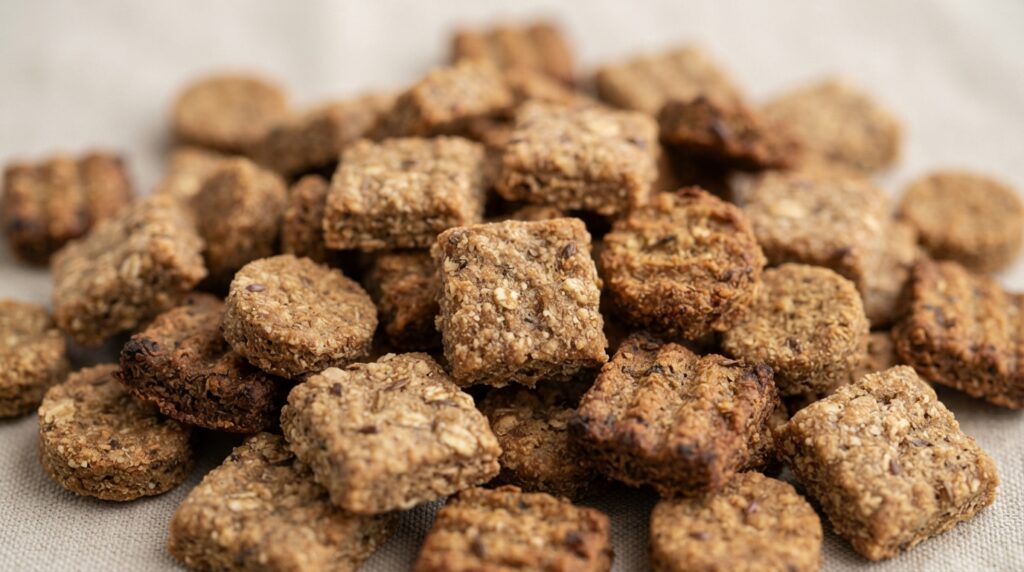
A treat routine can influence several parts of a dog’s day. Rewards may be used during obedience training, grooming, socialization, travel, or ordinary interactions at home. Because treats can be given frequently, their calories and ingredients deserve attention. Products containing CBD require additional consideration because cannabidiol is an active cannabinoid and commercial products can vary considerably in strength and formulation. Holistapet CBD Dog Treats may look similar to conventional snacks, but the presence of CBD means owners need to examine product information more carefully. CBD and THC are both cannabinoids, yet they have different effects. THC can cause intoxication in dogs, while CBD does not produce the same intoxicating effect. Neither fact establishes that every CBD product is appropriate for every dog.
Designing a Treat Routine
The most practical treat routine is one that fits naturally into the dog’s existing schedule.
Decide When Rewards Are Needed
Treats can be useful when a dog is learning a new behavior. Early training may require frequent rewards, while an established behavior may eventually need fewer food rewards.
Treats can also support grooming routines. A dog may receive a small reward after tolerating brushing, nail care, bathing, or handling.
The number of rewards should still be considered as part of the dog’s daily food intake.
Establish a Daily Limit
A simple household system can make treat portions easier to control. Set aside the day’s intended rewards instead of repeatedly taking treats from a large container.
This approach is especially useful when several people interact with the same dog.
The daily supply might include:
- Training rewards
- Grooming rewards
- Occasional snacks
- Dental treats
- Other food-based reinforcers
Counting everything gives a more accurate picture of total intake.
Where CBD Fits
CBD-containing treats differ from ordinary training snacks because they contain a cannabinoid.
CBD Does Not Mean the Same as Hemp
Hemp refers to a type of cannabis plant, while CBD refers to a specific cannabinoid.
A product described as hemp-derived may contain CBD along with other compounds. The actual product label should provide more specific information about cannabinoid content.
THC deserves particular attention because dogs can experience adverse effects after cannabis exposure. Signs can include lethargy, vomiting, impaired coordination, urinary incontinence, agitation, and tremors.
The Amount Per Treat Matters
Consider two hypothetical products:
| Product | Total CBD | Number of Treats | Calculated CBD Per Treat |
|---|---|---|---|
| Product A | 300 mg | 30 | 10 mg |
| Product B | 300 mg | 60 | 5 mg |
The total CBD is identical, but the amount per individual treat differs.
This illustrates why package size alone cannot be used to judge concentration.
The calculated amount also does not establish an appropriate serving for a particular dog. There is no universal CBD dosage that can be determined from package concentration alone.
Evaluate the Ingredients
CBD is only one component of a treat.
What the Ingredient List Can Reveal
Check for:
- Primary protein sources
- Grains
- Oils
- Starches
- Flavorings
- Preservatives
- Sweeteners
- Added nutrients
- Potential allergens
A dog with dietary restrictions may need to avoid specific ingredients regardless of the CBD concentration.
For dogs following a veterinarian-prescribed diet, a new treat should be discussed with the veterinary team before introduction.
Calorie Density Matters
A small treat can still contain calories that add up when rewards are given repeatedly.
Training sessions can involve dozens of rewards. Breaking an appropriate treat into smaller portions may help manage intake, provided the treat can be divided safely and the formulation is sufficiently uniform.
Weight management should remain part of the overall routine.
Laboratory Testing and Transparency
Laboratory testing can provide information beyond the package label.
Understanding Certificates of Analysis
A certificate of analysis may report:
- CBD concentration
- THC concentration
- Other cannabinoids
- Pesticide results
- Heavy-metal results
- Microbial screening
- Batch information
The exact testing panel varies by laboratory.
A report connected to a specific batch is generally more useful than a generic document because it provides information about a defined production run.
The FDA has previously reported discrepancies between labeled and measured CBD concentrations in some products and has investigated possible contaminants.
Testing Has Limits
A laboratory report can help answer, “What was measured in this sample?�
It cannot answer, “Will this treat improve my dog’s health?â€�
Clinical effectiveness requires appropriate research. A product can have laboratory testing while still lacking sufficient evidence for a specific health claim.
Monitoring a Dog After a New Treat
Observation is one of the simplest ways to identify whether a new food agrees with a dog.
What to Watch
Pay attention to:
- Appetite
- Stool consistency
- Energy
- Coordination
- Alertness
- Behavior
- Vomiting
- Excessive sleepiness
Possible effects associated with CBD exposure include sleepiness, diarrhea, decreased appetite, and changes in liver-related measurements.
THC exposure may produce more pronounced cannabis-related symptoms.
Introduce One New Product at a Time
Introducing several new products simultaneously makes it difficult to determine what caused a reaction.
When practical, introduce one unfamiliar treat while keeping other parts of the diet unchanged.
This approach also makes dietary troubleshooting easier when a dog has sensitive digestion.
When Veterinary Advice Matters
Veterinary guidance becomes especially important when CBD is being considered for a dog with a health condition or medication.
Existing Conditions Change the Decision
A dog with liver disease, kidney disease, neurological problems, gastrointestinal problems, or another chronic condition may require additional precautions.
Medication can also change the risk assessment because CBD may affect pathways involved in drug metabolism.
A veterinarian can evaluate the dog’s overall situation instead of assessing the treat in isolation.
Do Not Use a Treat as a Diagnosis
Suppose a dog suddenly becomes reluctant to climb stairs. Possible causes include joint disease, injury, muscle weakness, excess weight, or another health problem.
A treat marketed for mobility does not identify the cause.
The same principle applies to changes in appetite, sleep, or behavior.
Current Regulatory Information
The FDA has not approved cannabis products for animal use. The agency has stated that it cannot ensure the safety or effectiveness of cannabis products marketed for pets.
In 2025, the FDA requested information about cannabis-derived products used in veterinary medicine, including potential benefits, product quality, adverse events, drug interactions, and toxicological concerns.
The FDA has also taken regulatory action involving animal products marketed with CBD-related therapeutic claims.
These developments show why commercial availability should not be confused with veterinary approval.
Making the Routine Easier
A well-managed treat routine does not require complicated calculations. Keep portions consistent, account for all rewards, store products safely, and monitor the dog’s response to new foods.
For training, smaller rewards can help control calorie intake. If CBD is being considered because of a medical concern, veterinary guidance should come before changing the dog’s treatment routine.
Final Thoughts
Better treat routines come from consistency, portion awareness, ingredient review, and observation. CBD-containing treats require those same habits plus additional attention to cannabinoid content, testing, potential interactions, and the current regulatory position.